
kenadyc@chaffey.com

Understanding Digital Wallets

What’s the safest way to use my cards?

From tap-to-pay capabilities to using digital cards on our phones, the landscape in which we use our debit and credit cards is always evolving. These changes mean new ways to make payments, manage our cards, and protect our accounts from fraud.

The question that comes from these changes is: What is the safest payment option when using my cards?

In short: staying up to date with the latest card technology is the easiest way to keep your cards (and your money!) safe. We’ve gathered some card tips and resources to help you maximize your card’s protection:

  1. Leave Your Physical Card Behind: Utilize Digital Wallets

Many smartphones allow you to optimize “contactless” card technology by adding a digital version of your card directly into your digital wallet app to use tap-to-pay. To complete your payment, you’ll be asked to input a password and use biometrics, such as fingerprint or facial recognition. Digital Wallets work to share a one-time token code at the point of purchase instead of your card number, limiting the card information shared and increasing security. The combination of a one-time token and biometrics can make digital wallets one of the safest options for card transactions.

Set up Apple Pay, Google Pay, or Samsung Wallet to start using your card directly from your smart device.

You can “tap-to-pay” with your physical card or smartphone’s digital wallet anywhere that you see the Contactless Payment symbol.

  1. Avoid Outdated Payment Methods: Tap to Make Your Purchase

At one point, making a purchase by swiping the magnetic stripe on your card or inserting your card’s chip were the latest and safest ways to use your cards. Now, as scammers evolve and card technology grows to keep up, you have safer options to choose from.

Using the “contactless” tap-to-pay option on your card allows you to make transactions without needing to touch or insert your card in the payment terminal. This card technology can help you to quickly make your purchase (and bypass any potential card skimmer), while maintaining optimal control of your card’s information.

  1. Inserting Your Card’s Chip at the Payment Terminal: Keep a Watchful Eye for Card Skimmers

While most retailers now have payment options for tap-to-pay with your card or digital wallet, others still only have payment terminals that are restricted to chip or even magnetic stripe “swipe” payments. At these retailers, you don’t have the option to choose the increased protection that comes with tap-to-pay on your digital wallet. Before inserting or swiping your card in a payment terminal, know how to spot obvious signs of tampering – loose parts, crooked pieces, or sections that come off if lightly tugged. Doing this can mean the difference between safeguarding your money and falling victim to card fraud.

From fuel pumps and ATMs to point of sale terminals, any location that you use your cards at can become unsafe if scammers can install skimming devices. The FBI offers additional guides to help you spot and avoid skimmers.

GET STARTED WITH DIGITAL WALLET FOR IMPROVED CARD SECURITY

The verdict? Using tap-to-pay through your smart device’s digital wallet is often considered your best bet for ensuring maximum protection for your card, your account, and your funds.

You can connect your Chaffey FCU debit and credit cards to your smartphone’s digital wallet with one button through the Chaffey Card Hub app. Simply open to your cards on the app (or select “Add Card” if your cards still need to be connected), then click on the digital wallet icon below your card for an easy, quick connection.

After you’ve added your card to the Chaffey Card Hub app and your digital wallet, Chaffey Card Hub provides additional features to help you maximize your card security:

  • Lock & unlock your cards: Prevent transactions with your card in the event it is stolen or misplaced.
  • Set transaction limits: Prevent unauthorized users from making large transactions by setting custom limits.
  • Set alerts for specific stores: Don’t shop at Walmart? Set a custom alert with Chaffey Card Hub to inform you of any transactions that occur with your card at these retailers.

WHAT’S THE CATCH? DON’T LET YOUR GUARD DOWN JUST BECAUSE DIGITAL WALLETS OFFER MODERN SAFETY

While digital wallets might be the latest option of card security, the evolution of transactions means it’s important to continue using best practices to protect your card from potential fraud.

Connect your digital cards, but be mindful of storing additional funds in a wallet app.

In addition to connecting your cards digitally, some digital wallets allow you to store funds directly in the app. This creates a gray area for deposit account insurance: NCUA deposit insurance at credit unions protects funds stored within a Chaffey FCU account. Once you transfer your funds out of your Chaffey FCU account to a wallet app, those funds are no longer protected under Chaffey FCU’s $500,000 of Deposit Insurance*. Adding funds to a wallet is separate from connecting your digital cards. Keeping your funds in your Chaffey FCU checking account and just adding your debit card for remote digital wallet use allows you to keep your funds insured, while taking advantage of digital wallet payment security.

Don’t underestimate the importance of biometrics in digital wallet security.

While it’s becoming a digital wallet standard, biometrics may not be required to use all digital wallets. If you have the option to enable biometrics protection, it’s important that you take this step. If your digital wallet is only protected by a password, it is easier for fraudsters to steal your card information from the wallet app if they get ahold of your password.

CAN I USE MY DIGITAL CARDS WHEN SHOPPING ONLINE?

While this feature is not available in all online stores, many are now offering digital wallets as a payment option when you are checking out from your mobile device. Similar to using your digital wallet in-person, selecting this option for online stores allows you to make your purchase without the need to share your card number. Your transaction is still protected by biometrics and the tokenization offered by digital cards.
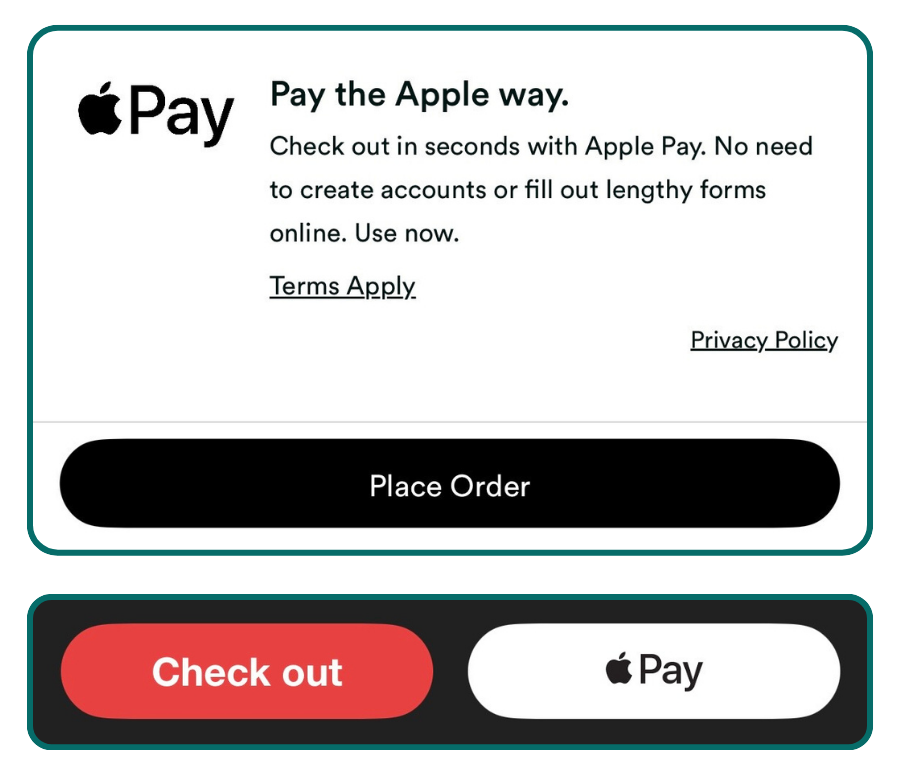
If the online store you’re shopping at accepts digital wallets, simply find and select the wallet option at checkout to confirm this as your payment option.


*$250,000 in deposit insurance from National Credit Union Share Insurance Fund; additional $250,000 from American Share Insurance (ASI). Coverage amount is dependent on account ownership structure. Please see a credit union representative for more information or visit https://mycreditunion.gov/insurance-estimator. Qualifying deposit accounts for ASI protection exclude public fund deposit accounts.


Build W.I.S.E. Resolutions

The start of the New Year means new goals, changes, and hopes for many of us. While some of us set out to kickstart our fitness journey or begin a personal journal, others choose to take a closer look at our finances. We find finances at the center of many big decisions in our lives: new jobs, moving into a family home, or even caring for a new pet. That’s why, with the help of one of our Certified Financial Coaches, we’ve set out to gather tips to make your Financial New Year Resolutions more attainable.

The Chaffey FCU W.I.S.E. Financial Coaching Program was designed to provide Members with the tools and guidance to build a complete picture of your financial needs and goals. By creating a personal plan, you can take back control of your finances this New Year.


Getting to Know Our W.I.S.E. Financial Coaches

We sat down with Dereck Sandoval, a Certified Chaffey FCU Financial Coach, to get more familiar with the W.I.S.E. program, and learn what steps you can take to accomplish your personal, financial goals:

Introducing a Chaffey FCU W.I.S.E. Financial Coach

Dereck has worked on the Chaffey FCU Team for over two years, and has been a key member of our Financial Coaching team for over a year and a half. As a Financial Coach, Dereck received certification from America’s Credit Unions via their Financial Counseling course, and has worked with Chaffey FCU Members through a variety of financial topics, such as managing excessive debt, improving credit scores, teaching how to budget, and understanding financial personalities. Apart from helping our members, Chaffey takes pride in not only improving our members financial wellbeing but our communities as well. Dereck works to provide various forms of financial education courses to high schools and adult schools, and is always looking forward to partnering up with different organizations to help make an impact in the community. We as an institution believe financial education should be available to all and take upon ourselves to look for different ways to improve the financial health of our members and communities. 

What are your goals as a financial coach in the WISE program? 

  1. Help members achieve their overall goals, not only financial but, overall life goals.
  1. Help members create habits that can benefit and fulfill the member’s needs.
  1. Create confidence in decision making and peace in day-to-day life. 
  1. Provide the support and comfort needed to help members overcome obstacles.

What is the most meaningful experience you’ve had working with Members in the WISE program over the last year?  

Being able to bring hope and support to our members who need it and being there to watch them accomplish their goals, one step at a time. Everyone’s definition of financial health is different, so just being able to help across the board.”


Habits to help you reach your New Years savings goals.  

  • Pay down credit card balances before acquiring new balances  
  • Set budgets to track your spending and savings. Your budget can be monthly or weekly (sometimes it’s hard to plan for the month as a whole so take it step by step (week by week)  
  • Think twice before making a purchase. Train yourself to become more of a conscious shopper, rather than impulsive buyer.
  • Get into the habit of understanding your relationship with money: how it makes you feel and its impact on your day to day to become more aware of certain habits you may not notice. Think about why you’re buying something, before you spend the money on it.

Tips to help you reach your resolution to pay down debt.  

  • Make additional payments on any current debts, before making any new purchases.
  • When possible, pay more than the minimum on debt balances.  
  • Pay down smallest debt first. Once paid off, allocate those funds into the next debt. Work on eliminating debt one debt at a time.

Improve your credit score this year with these best practices. 

  • Avoid maintaining high utilization rates on your credit cards.
  • Make all credit and bill payments on time.
  • Applying for too much new credit can bring down your score. Only apply for new loans and credit cards when you need to, to avoid opening unnecessary credit lines.

How Much Car Can You Afford?

According to Experian, the average auto loan payment on new and used cars was $745 and $521, respectively, in the first quarter of 2025. Adding that amount to your existing budget is no easy task, not to mention the additional costs for insurance, gas, or maintenance that will come with your new vehicle. To help, we’ve gathered resources and considerations to help you prepare for a new car in your budget.

Estimating Your Auto Loan Costs

Your auto loan costs will vary widely based on a variety of factors. While you might be excited to just get your new car as soon as you can, it’s important to review your loan information and budget beforehand.

We’ve gathered some tips to help you understand your auto costs and bring down the payment on your next vehicle.

  1. Put down a Down Payment. Paying more upfront for your car, either with a trade-in vehicle or a large down payment, can lower your loan amount and help you save on your monthly payment and interest charges. The dealership or company you take your trade-in vehicle to will determine the value of your car, but as an additional resource, Kelley Blue Book offers an online tool to help you estimate the value of your current vehicle to get an idea of its worth.
  2. Opt for a shorter loan term. Selecting a longer loan term may help reduce your monthly payment and initially seem like the ideal choice. However, it’s important to keep in mind that with a longer loan term, you’ll pay more interest over the life of the loan. Opting for a shorter loan term, if you can afford it, can help reduce your total interest expenses. If you do end up taking a longer term but can afford making additional payments every so often, this can help you pay off your loan sooner and save on the total interest paid.
  3. Improve your credit score. The interest rate on your loan will result from your credit score and history. If you have excellent credit, you can expect to receive the lowest interest rate on a loan for your selected term. Locking in at a lower rate will help you pay less interest on top of your loan. View Chaffey’s current loan rates here to narrow down what interest rate you might receive. If your credit score has seen better days, our Journey to a Better Credit Score article can help you take the next step towards a higher score (and more savings!).
  4. Consider bi-weekly payments. At Chaffey FCU, you can choose to have your vehicle payments once a month, or to split that amount into biweekly payments instead. When you opt for biweekly payments, you’ll make payments more frequently, but more money will be applied to the principal on your loan, which can help you pay the loan down more quickly. This can also make budgeting easier if the biweekly payments align with your paycheck deposit.
  5. Utilize affordable protection plans. While they might bump up your monthly payment slightly, GAP or Mechanical Protection plans can help you save in the long run in the event your car is totaled or needs unexpected repairs. Chaffey FCU offers both of these types of protection plans, at a much lower cost than most dealership plans.

What to Include in Your Vehicle Budget

Determining how much car you can afford requires more than just your auto loan payment. All you need is one trip to the repair shop to throw off your new budget. To make sure you can afford your car before committing to it, be sure to consider these factors:

Car insurance. In California, you’re required to insure your vehicle with Liability Insurance at a minimum. Liability Insurance plans help cover the resulting costs if you are found liable for an accident that results in injury or property damage. There are many other types of auto insurance plans you can add to your vehicle to keep it protected, such as collision insurance, roadside assistance, or personal injury. Before purchasing your new car, it’s best practice to first contact your insurance company to get pricing information for adding or replacing a vehicle on your policy. You can also get a quote on auto insurance from Chaffey FCU’s partner, TruStage.

Gas & Transportation. Transportation costs will vary based on the type of vehicle you are looking for and how much you drive. Researching the fuel efficiency on the vehicles you are interested in can help you estimate how much you’ll need to pay for gasoline. If you opt for an Electric Vehicle, estimate charging prices based on using a personal charging station for at-home usage, versus public charging stations. If electric vehicles are new to your budget, Kelley Blue Book reviews the average costs, time commitment, and types of charging stations to guide your budget.

Maintenance & Vehicle Savings. Your new car won’t need oil changes or new tires each month, but it’s important to consider these additional costs in the overall picture. Setting aside funds each month for regular maintenance or required repairs can make it easier to cover these costs as they arise. On their website, AAA suggests trying to set aside $50-$100 each month into savings for future vehicle maintenance.

Finalize Your budget with an Auto Loan Preapproval

Once you have an idea of what vehicle costs you can afford and are ready to move forward with car shopping, you can apply for your loan to get preapproved before you sign for your new car. This will help you lock in your budget before your trip to the dealership.    

How long will my pre-approval offer last? Your auto loan preapproval lasts for 30 days from the date of approval. This means you have about a month to select and sign for your new vehicle.  If, after your preapproval, you realize you qualify for a smaller loan than you planned for, or that your interest rate is higher than expected, you have a chance to adjust your vehicle expectations and budget before you commit to your next car.

If you’d like help shopping for your new vehicle, connect with Chaffey FCU’s partner AutoAlliance to find your ideal set of wheels

Teaching Kids How to Unmask the Scammer

Halloween may be our favorite spooky time of year, but scammers lurk around corners all year round. Through texts, games, or even deceptive college communications, fraudsters reach out to a variety of different channels and target a variety of different ages. Falling victim to one of these fraud attempts can feel like a real nightmare – one that can have a drastic effect on your finances or identity information.

It’s important that you and your family stay educated on how to protect yourselves from these threats, no matter your age. To help you introduce fraud-prevention conversations to your family, we’re sharing some tips from My First Nest Egg on how to teach kids to spot a scam.

  1. Don’t Take the Candy! If something seems too good to be true—like a free Roblox code or prize—it probably is. Teach kids to pause before they tap.
  2. Ghostbusters Rule: Tell an Adult. If a message, pop-up, or link feels weird, the safest move is to call in backup. Encourage kids to come to you right away.
  3. Spot the Costume. Scammers often pretend to be someone you trust. Look closely—does the email look off? Is the message urgent and strange? Help kids learn to recognize red flags.

While knowing the best practices is essential for building strong fraud-prevention skills, knowing what you’re looking for can also go a long way to helping you and your children avoid scams. We’ve gathered popular scams that target kids, teens, and young adults to help you and your family discuss what threats you should be on the lookout for:

Social Media Scams

Social Media platforms are used to connect with family, friends, current events. Many of us are comfortable with sharing details about our personal lives and thoughts on these platforms. However, it’s important to remember that it’s easy for fraudsters to reach out on these sites, too.

While it may initially seem harmless, sharing personal details with people online can lead to bad consequences. Being asked about seemingly unimportant information, such as your parent’s name, where you grew up, or your first pet might seem harmless to some, but these topics are often used as standard security questions to different types of accounts.  While trying to build your trust, scammers might work these details into the online conversation in an attempt to learn sensitive information that could lead to your accounts getting hacked. Kids should learn to never share any details, no matter how inconspicuous they might seem, to people they don’t know over social media.

Other popular social media scams start off with fraudsters posting about raffles or contests for free gifts in the comments on other posts, which commonly result in get-rich-quick schemes. Your kids may also see people catfishing as celebrities in an effort to gain trust before asking users to send funds or share sensitive information.

Text-Scams

Text Scams go after people of all ages. They’re so common, it’s very likely that your children or teens with phones have already received them too. These scams are unexpected messages from an unknown number, and often conclude with a fraudster trying to trick you into sending money or sharing personal details. They can occur in a variety of different ways.

You might receive an update about a delivery order you did not place, usually with a link for more information. The link sent in these cases are often phishing links, designed to take the user to fake webpages to steal your personal or account information. If you receive these, be sure to ask yourself, am I expecting a delivery? The safest option is to avoid the link, and login to your account for Amazon, UPS or other delivery service directly to check your orders.

Other popular text scams include the “wrong number” scam: fraudsters will “accidently” send you a message by mistake claiming they sent it to the wrong number, but then will continue messaging you to learn personal, sensitive information. The Federal Trade Commission released the top texts scams of 2024, to help you and your family identify potential threats.

Video Game Scams

Video games are a popular hobby for people of all ages. What you might not know, however, is that scammers are more commonly using gaming platforms to con players. Fraudsters might reach out in variety of ways. They might pose as game companies and send phishing links via email or game chats urging you to act quickly, stating that your account is under suspension or that you need to confirm your login. These scams attempt to steal the personal information that you share through link. Be sure to always check sender information before interacting with these types of messages.

During “in-game” scams, fraudsters will offer free or cheap game currency and will send you a link or survey to claim your prize. In reality, these links will work to steal your personal or financial information.  In situations when someone is offering you free or discounted game resources, remember: if it’s too good to be true, it probably is!  

Financial Aid & Scholarship Scams

Applying for college admissions or student aid can be an overwhelming time for students. Scammers are aware of this, and target students with offers that are too good to be true. Watch out for companies that promise to get you scholarships if you pay an upfront fee or collect your credit card information. Some will use pressure tactics to get you to pay a fee quickly before the offer is gone.

Remember, the FAFSA form is free to fill out and submit. No one should be asking for your credit card information to submit this form. StudentAid.gov offers important reminders about FAFSA, common scholarship scams, and more to help you get through school without becoming the victim of fraud. 

Student Loan Debt Relief Scams

Getting unexpected messages urging you to take advantage of student loan forgiveness programs? Some scammers will pose as representatives from student loan debt relief companies, promising quick loan relief and pressuring you to act quickly. They will often attempt to trick you into sharing sensitive information about you or your loan account for an upfront payment. Be wary of any unrequested offers for student loan relief.

Be sure to work directly with your loan servicer when discussing your loan terms or relief. StudentAid.gov offers resources to help you understand how their legitimate messages are sent. They also offer guidance to help you identify and confirm which private companies they work with to service some of their student loan debt relief programs.


Budgeting Basics

Sticking to a personal budget can prove to be challenging. This is especially true when inflation has impacted the cost of everything – from groceries and dining out, to housing and car payments. Plus, vacations and summer camps can bring additional unanticipated expenses. Budgeting can help you plan for each month of these items, while helping you minimize the amount of funds that are wasted each month.

If you’re finding your budget stretched a bit thin, are planning a big lifestyle change, or are approaching a big spending period (like the upcoming holiday season!), it might be a great time to review, update, or even create a personal budget for the first time to help you meet and exceed your personal financial goals.

Creating and Sticking to A Personal Budget

Maintaining a personal budget is an essential step towards financial health. It empowers you to track your income, expenses, and savings goals, ensuring you’re in control of your finances. Here are a few steps you can take to help you create and stick to a budget.

Start Simple: Track Your Monthly Expenses

Keep track of all of your expenses for a month. Record everything you spend money on, from rent and groceries to dining out and entertainment. This process helps you understand where your money is going out and can help you identify areas where you can cut back on your spending.

Calculate Your Monthly Income

Next, determine your monthly income. Include all sources of income, such as wages, freelance earnings, and passive income. Passive income, also known as “unearned income” since it does not come from a traditional job, includes items such as rental income or income from investments. Knowing how much money you have coming in allows you to allocate it effectively.

Categorize Your Spending

Once you have a clear picture of your income and expenses, categorize your spending into fixed expenses (think rent and other fixed bills) and variable expenses (groceries and entertainment). Allocate a specific amount of each category based on your priorities and financial goals. You could also have fixed or variable expenses that do not impact your budget on a monthly basis, such as your homeowners’ or car insurance premium, or an annual subscription or membership fee.

Track Your Progress

Use budgeting tools or apps to streamline the process and track your progress. Many apps categorize your spending automatically and provide insights into your financial habits, make it easier to stay on track.

There are a variety of feel tools online that you can access to guide your budget, such as this free monthly budget worksheet from the Federal Trade Commission, or by trying out a budgeting template from Microsoft Excel.

Find New Ways to Save

Your Savings Account is a key factor of any budget. Building up your savings now can save you from racking up unnecessary debt in the event of an unexpected bill or large purchase. Automating savings transfers once a month or from each paycheck can be an easy way to make sure your savings accounts are constantly growing.

Keep an eye out for sales or coupons to help stretch your spending further. Carpooling to work or school can help you divide transportation costs. Making additional payments on debts can help you pay down loans and credit cards more quickly, reducing the amount you pay on interest and building your savings in the long run.

Chaffey Members can also save on regular or unexpected expenses by taking advantage of the benefits included with a Chaffey Plus Checking account*. Lifestyle benefits provided by a Chaffey Plus Checking account include Health Discount Savings** for additional savings on vision, prescription, or dental expenses, and $hopping Rewards*** for access to online cash back opportunities.

Stay Flexible: Review and Adjust Your Budget

Regularly review and adjust your budget as needed. Life changes, such as job changes, moving, or unexpected expenses, may require revisions to your budget. Flexibility is key to long-term budgeting success. If you are planning a big change in your budget, Chaffey FCU Calculators can help you understand the financial impact of a variety of financial decisions, such as how much home you can afford or how much you should put away for college expenses.

Sticking to a budget isn’t always easy! Remember to cultivate discipline and consistency. You can stick to your budget by avoiding impulse purchases, prioritizing needs over wants, and staying committed to your financial goals. Remember, every dollar you save brings you closer to financial freedom. 

Looking for ways that you can save even more? The Chaffey FCU W.I.S.E. program offers personalized financial coaching and mentoring – free to Members. From a customized budgeting review to debt repayment plans, our Certified Financial Coaches are determined to help you reach your financial goals. We’re only a click, tap, or phone call away. Reach out today – we are here to provide you with personalized guidance and can help find the financial products and services that meet your needs.


*A $6 monthly service fee applies. Contact us or visit chaffey.com/chaffey-plus-checking for complete information.
**Registration/activation required. This is NOT insurance.
***Registration/activation required.

Know How to Spot Identity Theft

In 2024 there were over 1.1 million complaints of Identity Theft reported to the Federal Trade Commission’s (FTC) website.

Identity Theft can happen to someone at any age, and at any time. Identity theft occurs when someone steals another person’s sensitive personal information and either uses it as their own or sells it for other perpetrators to use for financial gain or fraud. Identity theft has been making headlines for years; however, each and every year, thieves become more sophisticated. In 2024, The FTC reports that over $12.5 billion was lost to fraud – a 25% jump from the amount lost the previous year.

Staying in step with these criminal advances is a constant struggle for small business owners, corporations, and individual consumers alike. By reporting identity theft and fraud to the FTC you can prevent other individuals and families from falling victims to the same scams.

Look For Signs of Identity Theft

Although preventing Identity Theft is the best thing you can do to protect yourself, identity thieves may still find ways to get around your efforts. You should know what red flags to watch out for that can help you spot Identity Theft early. Time is of the essence when dealing with identity theft. The longer you wait to begin the recovery process, the more losses you risk facing. Early warning signs of identity theft can include:

  • Finding unknown charges on your credit card or bank statement
  • Receiving calls from collection agencies about debts you aren’t aware of
  • Seeing unfamiliar withdrawals from your financial accounts
  • Receiving bills for items you didn’t purchase or services you didn’t request
  • Finding out that a tax return has already been filed in your name, prior to filing your own
  • Being unexpectedly denied on a loan application
  • Receiving notification of a line of credit that you did not open
  • Getting notifications or other information about government benefits or loans that you did not apply for
  • Receiving a denial in government benefits because they are already being claimed, when this is not the case.

Preventing Identity Theft

Preventing Identity Theft is much easier than resolving it, in the event it’s been stolen. There are many things you can do to help protect your identity, and you’ll have a better chance at preventing fraud if you practice as many of these precautions as possible. 

  • Place a Credit Freeze on your credit report. Freezing your credit prevents anyone from accessing your information until you decide to unfreeze it. Since lenders can’t see your credit when a Freeze is placed on it, scammers will have more difficulty applying for accounts in your name. Freezes can be placed directly with each of the three credit bureaus: ExperianEquifax, and Transunion
  • Watch your credit reports for signs of changes or activity that were not made by you. Each credit bureau is required to provide one free report to each individual every 12 months. Now, you can also request free weekly online credit reports from each bureau at annualcreditreport.com.
  • Regularly check your bills and financial statements. It’s common practice for scammers to make small purchases or withdrawals first to see if they can get away with it before attempting larger purchases or loans. Contact Chaffey FCU immediately if you see a charge on your account that you don’t recognize.
  • Use unique passwords for each of your online accounts. If a hacker obtains your password for one account, they will likely pair it with your name or email address on other sites to see what else they can gain access to. Consider using a trusted password service to help manage unique passwords. Check out our blog post on Secure Passwords for more tips.
  • Subscribe to a credit monitoring service. Credit Monitoring services watch your credit report and activity for you, and alert you when changes are made. Members with a Chaffey Plus Checking* account receive IDProtect**, which includes continuous identity monitoring*** and credit file monitoring***. You will be notified immediately of any changes to your credit file or get a monthly reassurance e-mail if no changes are made.

Recovering Your Identity

In the event your identity is stolen, there are important steps you can right away take to help you recover your identity. Report the fraud to the FTC at IdentityTheft.gov to get a recovery plan to guide you. If you have incorrect debts on your credit report that are the result of Identity Theft, you can use the sample letter from the FTC to notify the credit bureaus.  

Identity theft can happen to anyone, and its effects can range from a small annoyance to financial devastation. While Chaffey FCU does everything in our power to ensure your personal and account details remain protected from fraud, it’s important that you protect your identity and accounts, too. The best protection is prevention, but if your information is used without your knowledge, we are standing by to help. If you believe you have become the victim of fraud or identity theft, contact Chaffey FCU directly so we can help you take any necessary next steps to protect your accounts in the future. If you are a Chaffey Plus Account holder, an Identity Theft Recovery Advocate is ready to support you.

*For complete account details, speak with a representative or visit https://www.chaffey.com/chaffey-plus-checking. A $6 monthly service fee applies. Some benefits require authentication, registration and/or activation. Terms and conditions may apply.
**Benefits are available to personal checking account holder(s), and their joint account holders subject to the terms and conditions for the applicable Benefits. Some Benefits require authentication, registration and/or activation. Benefits are not available to a “signer” on the account who is not an account holder or to businesses, clubs, trusts organizations and/or churches and their members, or schools and their employees/students.
***Registration/activation required.

Start Saving for your First House

The thought of buying a home can be overwhelming, especially for a first-time homebuyer.  Your home is most likely the largest purchase you will make in your lifetime, and we want to help put you in a position where you can enjoy your investment for many years to come. A disciplined savings plan can be good practice for you and your budget not only to reach your savings goal, but also to be prepared with the extra expenses that come along with home ownership.  Buying a house before you (or your savings account) can handle it can interrupt your entire plan.

Set a Savings Goal

To make the journey more feasible, know how much you want to save. Having an attainable goal that you can track will help you plan how quickly you can get into your new house. If you know how much you need to save you can also adjust your savings contributions and budget as needed to reach your goal more quickly.

Consider your downpayment, closing costs, and moving expenses when building your savings goal – you’ll need to be able to cover these costs when you first purchase your home. Your downpayment is the upfront cash you put down to buy your house, and the rest of the purchase price is financed. Knowing if you want to put down 3% (the Chaffey FCU minimum requirement), or 20% (which could in result in a more favorable monthly payment and rate) will impact how much you need to save now.

Closing costs are the fees needed to finalize your mortgage, and these are paid by you in addition to the down payment. They cover the additional expenses associated with purchasing your home, such as loan origination (or the approval process for your mortgage), appraisal fees (to confirm the value of the home you’re looking to purchase), property taxes, and any applicable insurances. Together, closing costs typically account for 2-5% of your total home cost, but can still vary based on your specific home-buying situation. If you are looking for a more detailed review of what might be included in your closing costs, or how expensive they might be, connect with our Lending team today.

You can also look to family or your local community for down payment resources. First-time homebuyers often receive down payment funds as a gift from family members; if this is part of your plan, make sure you understand some of the rules and documentation that gifted funds require.  Down payment assistance programs through the Federal Home Loan Bank and other local partners may be available, but keep in mind that eligibility requirements can be strict and funding may not always be available when you are in the market.  That being said, do your research and know what programs are available to you, because you may be in just the right spot at the right time!  And finally, sometimes your realtor can help you negotiate for the seller of the property to pay the closing costs, which can reduce the amount of cash you need to provide out-of-pocket.  Of course, being able to cover your own closing costs puts you in a stronger bidding position to purchase the property, so we do not recommend relying on this option as a guarantee.

If you need help determining what you can afford as you build your budget or savings plan, Chaffey FCU offers free Home Lending Calculators to help you determine how much home you can afford or what your mortgage payments might be.

Reduce your debt, Increase your savings

Saving up for a house is no easy feat. With how expensive the current housing market is, many think that saving for a house is an impossible task, but don’t let that discourage you. There’s a lot you can change in your regular routine to help you reach your goal.

Refinancing auto loans, consolidating debt, or committing to a debt repayment plan can go a long way in maximizing the amount of money you are able to put into savings. Plus, minimizing your debt before applying for a mortgage can improve your credit score and decrease your debt-to-income ratio, which can help improve the terms and affordability of your home loan.

When you receive additional funds, such as a work bonus or raise, add them directly into your housing fund for an extra boost. If you find yourself struggling to commit to your monthly savings goal, automating your savings contributions can help take the stress off yourself. Out of sight, out of mind.

Savings Accounts that help you earn more

Once you have started setting funds aside for your home, putting them in an account that earns a higher yield can be an easy way to start earning more on your existing savings.

  • Share Certificates are an easy tool to lock in savings to earn a higher rate. Chaffey FCU Share Certificates only require a minimum balance of $1,000 to help you make the most of your savings, even if you’re just starting out. However, if you open your Certificate with a minimum balance of $10,000, you can expect to lock-in an even higher savings rate.
  • If you want to earn more than what is offered by a traditional savings account, but don’t like the idea of locking your funds away for the entire term of a Share Certificate, Money Market accounts offer a higher yield with the liquidity of a checking account.
  • If you are looking for something with a higher return or more flexibility, speaking with a professional about investment options might help you build your savings strategies in the long-run.

Know what you’re saving for

Understanding your wants and needs in a new home can help you better understand how much you should be saving and budgeting for. The type of house or the neighborhood you want to live in can have a big impact on how much you need to save.

Searching online and touring houses in-person can help you understand the true cost of your dream home. Sometimes, this search might also help you realize that refining your home “wish-list” is a realistic step on your home ownership journey. Ask yourself questions such as:

  • How much space will you need in your house?
  • Do you want to take on a house that might require home improvement projects?
  • Are you willing to commute to work?
  • What neighborhoods or school districts do you want to be in?

If you’re getting ready to take the next step in your home-buying journey or are looking for some more expertise as you determine how much you should be saving, the Chaffey FCU Loan Department is ready to assist you through your unique home-buying needs. Contact us today or submit a Real Estate inquiry form to get the conversation started.

Journey to a Better Credit Score

Building a strong credit score is an essential element of maintaining positive finances and maximizing potential savings. Having a high credit score and a positive relationship with borrowing can lead you to financial wellness through more loan approvals and additional savings opportunities. We’ve gathered some facts and tips to help you understand why you should strive for a high credit score.

Why Should You Want a High Credit Score?

If you’ve ever applied for a loan, you’ll know that your credit score is a big factor that impacts how much you’ll pay. Credit Scores help institutions determine the risk of lending money to potential borrowers. A high credit score can result in loans with lower interest rates and higher savings.

Look at it this way, a $20,000 Auto Loan with a term of 48 months and an interest rate of 5.00% APR1 results in a monthly payment of about $460 and an estimated total interest of $2,100 over the life of the loan. The exact same Auto Loan with an interest rate of 15.00% APR2, results in a monthly payment of about $555 and an estimated total interest of $6,686. Good credit practices and a higher credit score could result in savings of over $4,500 on this loan!

Good credit practices are important with some non-lending activities as well. While employerslandlords and utility companies can’t see your credit score, they are able to see what factors into your score by viewing a limited version of your credit report. This may include factors such as credit utilization, bill payment history, and any current or past bankruptcies.

Employers may use this information to determine your reliability or ability to manage money, and is common practice for many financial or management related job positions. Similarly, landlords or utility companies may use your credit information to determine if you will reliably pay your bills on time. If your report reflects poor credit decisions, it may affect your ability to secure a new rental, or may result in a higher security deposit up front.

Positive Borrowing Habits to Improve Your Credit Score

So, if having a good credit score is key to saving money and passing employment background checks, what can you do to build your score?

Make payments on time: The number one thing you can do to consistently improve your score is make all payments on time. Payment History makes up about 35% of your Experian Credit Score, which means it has the largest impact on your score.

Only borrow money as needed: The next big component of your credit score, Credit Utilization, makes up about 30% of your score. Consistently maxing out your credit cards may look risky to lenders, so try to only borrow money as needed. You can practice borrowing small amounts at a time with your credit card and paying it back right away, before interest is added on (doing this can help with your score’s payment history and credit utilization!). Check out our Get to Know Your Credit Blog for a more detailed review on what components make up your score.

Pay more than the minimum on credit cards: Having high, unpaid balances on revolving credit accounts, like credit cards, can negatively impact your score. If you’re unable to pay off your credit card each month, or have accumulated a high amount of credit card debt over time, prioritizing paying down these accounts can lessen the burden on your credit score. If the amount of credit card debt is causing high amounts of financial stress, opting for a debt consolidation loan or balance transfer may be helpful to pay these debts more quickly, and to build your credit score in the long run.

Build a budget that includes loan payments and savings account contributions to prevent you from relying on credit: Creating a budget that includes your loan and credit card bills can help ensure that you have enough money to get through each month while helping you manage your credit usage. Additionally, having savings account funds available to you can prevent you from relying on credit in the event of an emergency or unexpected expense.

Practice using credit with a Secured Credit Card: If you have poor or little credit history, it can be difficult to get approved for new loans to start building or rebuilding your credit score. A Secured Credit Card is typically easier to get approved for and can help you overcome this. With a credit limit that matches the amount of the secured deposit that you put down, Secured Credit Cards can help you get approved for new credit lines so you can start practicing making payments and using credit.

Get a personalized view of your finances from a Financial Coach: If you are still struggling with your credit, can’t seem to fit your loan payments into your budget, or aren’t seeing the results you want in your credit score, you may want to opt for a more personalized approach. Chaffey Members can meet with a W.I.S.E. (Working to Ignite Success & Empowerment) Financial Coach for free to receive financial education and a plan tailored to their needs and concerns.

Tracking Your Credit Score

Tracking your credit score over time can help you see how your borrowing choices impact your score and ensure that the credit information reported under your identity is correct. Keep in mind, while it can take a long time to build a high credit score by using good borrowing practices, your score can drop much more quickly as a result of poor credit choices.

Credit monitoring and Credit Score tracking services provide insight to your score by displaying which of your borrowing activities have positive impacts on your score, and which activities harm it. IDProtect2 through Chaffey Plus Checking3 offers these insights and a credit score tracker4 directly in the Chaffey FCU online or mobile banking portal for Members who hold these checking accounts.

Check your Credit Report at least once a year to ensure all data reported is accurate. Each of the three Credit Bureaus (Experian, Equifax, and TransUnion) are required to provide a free copy of your credit report to you every 12 months – you can obtain yours online at AnnualCreditReport.com.


1APR: Annual Percentage Rate. Rates shown for educational purposes only. Current Chaffey FCU lending rates at chaffey.com/rates-1
2Benefits are available to personal checking account holder(s), and their joint account holders subject to the terms and conditions for the applicable Benefits. Some Benefits require authentication, registration and/or activation. Benefits are not available to a “signer” on the account who is not an account holder or to businesses, clubs, trusts organizations and/or churches and their members, or schools and their employees/students.
3A $6 monthly service fee applies. Full Chaffey Plus checking account details at chaffey.com/chaffey-plus-checking.
4You will have access to your credit report and score provided your information has been verified by the Credit Reporting Agency. Credit score is a VantageScore 3.0 based on Experian data. Third parties may use a different type of credit score to assess your creditworthiness. Once this benefit has been activated and you have requested your first credit score, you may request a new credit score each month to be plotted on your Credit Score Tracker graph. Monthly email notifications will be sent to let you know when your new score is available.

Spring Wellness

At Chaffey FCU, we believe that healthy lives start with healthy finances. Financial, mental, and physical wellness are all connected in our lives.

In our mission to help you achieve wellness, we’ve gathered some tips to help you build healthy finances and balanced lifestyles.

Fund your future. Building a healthy savings account is an essential aspect in personal growth. Having sufficient savings can help you navigate an emergency, progress towards a new goal, or avoid unnecessary stress. If you’re looking for a more fruitful way to save than a traditional savings account, seeking investment support from a professional can help guide you towards success.

Find time to recharge. Did you know: the recommended amount of sleep for the average adult is a minimum of 7 hours a night? You may find that a lack of sleep impacts your relationships, jobs, and other aspects of your personal lives. Making sure you get enough quality sleep can have positive impacts on mood, stress-levels, and awareness. Building a nightly routine or schedule before bed can help you improve your sleep and allow you to feel more well-rested.

Find a wellness routine that works for you. While not everyone is meant for those 5am gym sessions, it’s still important to discover what physical wellness means to you. Finding a new wellness activity – perhaps yoga, journaling, or running – can help you connect with yourself and find peace of mind.

Think positive. From rising prices, new jobs, or personal obstacles, there’s a lot in our world that may have us feeling stressed or anxious. While some of us turn to shopping or other expensive distractions, it’s important to find an outlet that we won’t financially regret later on. Talk through your feelings with a friend, family member, or professional; discover relaxing books or music; or try using a planner to help you see your life in a positive light.

Know when to ask for help. Navigating financial changes can be a big task. If you feel like you’re falling behind or don’t know what to try next, know that Chaffey FCU offers free financial coaching sessions for our Members. Meet with a W.I.S.E. Financial Coach and start receiving personalized care and education.

How strong are your passwords?

At Chaffey FCU, keeping your accounts and information secure is our top priority. We want to help ensure that any information that you store outside of the credit union is safe, too. According to Forbes, nearly half of Americans have admitted that they have had a password stolen in the past year; we don’t want to see this happen to you. From online shopping accounts, to social media, to email accounts, online criminals can hack your passwords and access your information across many different sites.

Cybersecurity and online threats are constantly evolving with new ways to access your personal information online – protecting your login information to various websites is the first thing you can do to defend your information. We’ve gathered some password best practices to help you keep all your accounts secure:


Create strong passwords.

Strong passwords help protect your online accounts from unauthorized access. The Cybersecurity & Infrastructure Security Agency (CISA) offers tips to create strong passwords: Choose passwords that are long, random, and unique!

o   Long: CISA suggests 16 characters or longer

o   Random: a mix of letters (upper and lower case), numbers, and symbols; or, a phrase of unrelated words

o   Unique: Never use the same passwords for different accounts


Use Multi-Factor Authentication whenever available.

Multi-Factor Authentication, sometimes called “2-Factor Authentication,” “MFA” or “2FA”, provides an extra layer of security to accounts by requesting additional information before allowing you to log in. These additional steps might include facial recognition on your smart phone, or a one-time use code sent to your personal device. Be sure to never share these one-time use authorization codes with anyone – sometimes scammers will encourage you to share these credentials to gain access to your account and log in before you can.

The Chaffey FCU Mobile app and online banking portal incorporates 2-Factor Authentication by requiring a unique code received by text, phone call, email, or authenticator app before allowing you to sign in. Fingerprint or facial recognition can be used on compatible smart phones as another authentication method on your account.

Some companies offer 2-Factor Authentication apps to generate codes, such as the Google Authenticator service. Take advantage of 2FA whenever a website or account offers it to ensure that only approved users are allowed to log into your accounts.


Know the risk of storing passwords.

Many websites try to make it easier for you to log-in by allowing you to save your email and password to automatically enter your account on future visits. You’ll typically see a pop-up from your browser (such as, Google Chrome or Microsoft Edge) after logging in at the top of your screen asking if you would like to save or update your login credentials for that site. User information is saved only on the specific device(s) and account(s) you allow to save your information. Although this creates a simpler login process, it also allows anyone using that device to easily access your accounts. If a device with all your saved login information is stolen, your online accounts and any connected personal or card information can be at high risk.


Never give your login information to someone you don’t know.

One common form of fraud is phishing scams: online criminals trick individuals into sharing sensitive information about themselves and their online accounts. In these situations, criminals often pose as a legitimate company or organization to gain trust. Be cautious of any emails, calls, messages, or websites that request your sensitive information.

Remember, Chaffey FCU will never reach out via text, phone call, or email to ask you to share your personal, account, or online banking related information. If you are ever unsure if a person or company contacting you for sensitive information is legitimate, hang up and contact the official number on the company’s website for more information. Receive additional tips on protecting your sensitive information and reporting fraud on our Stay Informed resources webpage.

Get a Fresh Start on Debt

If you’re realizing you didn’t quite stick to your annual or holiday budget, you may be looking for solutions to pay off your extra expenses. If you need a little extra help conquering the debt you’ve built up over the holiday season (or throughout the year), the Chaffey FCU Lending Team may have the option you are looking for.

Review your debts.

About 42% of shoppers planned to use their credit card for holiday gifts during the latest holiday season, according to Experian. If you are one of those people, it’s important that you review each of your cards, so you know how much new debt you’ve acquired and how much total credit card debt you’ll have to pay off.

Create an inventory of your debts by reviewing any credit cards, installment loans, or holiday loan offers you may have taken advantage off. Build a record of these debts by noting elements such as the balance, minimum monthly payment, interest rate, and the payment due date. Knowing how much you owe each month and when you owe it can help you budget accordingly and may prevent you from getting deeper into debt. Understanding the interest rate on each of your loans can also help you prioritize the loans you are paying the most interest on.

Follow a Plan.

Once you create a record of your existing debts, you can use it to build a plan. Add your loan payment due dates to your calendar, or create reminders so you never miss one. When possible, commit to paying more than the minimum on your credit cards and other loans – paying your loan off more quickly means there is less time for interest to grow on the loan, which means less interest charges you’ll have to pay.

Financial Calculators can be a helpful tool to help you understand the basics of your financial situation. You can use the financial calculators on the Chaffey website to help you answer questions such as “How long will it take to pay down my credit cards?” or “How will making additional payments help me pay off my loans?”. These calculators are designed by CULookup, a service offered through America’s Credit Unions.

If you owe multiple debts and need help managing them, or want to review possible ways to pay them off more quickly, PowerPay could help you evaluate your options. Created by Utah State University, PowerPay works to help you explore possible debt recovery options and answer questions such as “How soon can I be out of debt?” or “What would debt consolidation do for my situation?”. Add your debt information into this free tool, and discover ways to eliminate your debt.

Consolidate.

Depending on the number of debts you must manage, a debt consolidation loan may make sense for you. Conquering your debt with a debt consolidation loan or transferring credit card balances to a single card is a popular option. See why debt consolidation is a popular choice:

  • Fewer bills to track. Consolidating your debt means you only need to manage the due date and balance for your consolidation loan. No more balancing payments on multiple credit cards or installment loans. Simply mark your calendars for your debt consolidation payment due date.
  • Potential for lower rates. If you can secure a lower rate on your consolidation loan, you may pay less in total interest! Credit cards from retail stores or banks can often be near or above 30% APR (if the rate on your store or bank card is variable, it might even increase later on!). Chaffey FCU personal loans and credit cards start as low as 9.99% APR* and are fixed once you sign.
  • Ability to eliminate debt more quickly. Securing a lower interest rate with a consolidation loan means less interest is added to your original loan balance over time. With interest charges growing more slowly, you may have the ability to eliminate your debt more quickly.

However, it’s important to know that debt consolidation may not be the best choice for every person or situation. Your current credit history and score may affect the interest rate you receive, which may impact the cost of your debt consolidation loan. You must also be able to stick to improved financial habits! Freeing up space on your existing credit cards by moving that debt into a consolidation loan may tempt you into using those cards more often, even if doing so doesn’t fit into your new budget. Talking with the Chaffey FCU Lending Team about your current lending needs or situation may help you determine if debt consolidation will help you save.

Guidance from Financial Coaches.

Building a plan to eliminate and stay out of debt can be an overwhelming process. If you need help building a payment strategy, are having trouble building a budget that fits your debt payments, or want some assistance in using a debt tool such as PowerPay, Chaffey’s Financial Coaches can provide one-on-one assistance. A personal review with a W.I.S.E. Financial Coach can help you accomplish your financial goals. Get in touch with us today and a Financial Coach will reach out soon to get you started on your path to wellness.

*Rate quoted as of 2/5/25. Rates subject to change at any time. Ask a representative or visit chaffey.com/loan-rates for more details on current loan rates.

Your Guide to Preventing Card Fraud

The holidays are right around the corner. With all of the gift planning, family visits, and festivities coming up, you’ll probably be using your debit and credit cards more than usual. More spending means more risk, so be sure you’re working to keep your funds protected from fraud. To help you plan your holidays with less worries about card fraud, we’ve gathered some notes to help you safely complete your holiday purchases.

Know how card fraud is committed.

One of the best ways to help keep your debit and credit cards protected from fraud is to know where and how it occurs. NerdWallet provides a review on some of the common forms of card theft.

One way thieves can successfully gain your card information is through skimming. Throughout 2023, FICO saw a jump in cards impacted by skimmers. Fraudsters will add an electronic device directly on to a payment terminal to steal the information from your card when you complete your purchase. This may be more often seen at payment terminals that are not under 24/7 surveillance (think gas pumps, for example).

Phishing, another popular scam method, involves encouraging consumers to share personal or account information. Scammers will try to trick you into sharing these details, often while pretending to be a representative at a financial institution, company, or as someone you know.

Scammers are constantly working on new ways to trick you out of your money. Here’s six common card fraud scams to look out for.

So, is a Credit Card Safer From Fraud?

While both credit and debit cards can be impacted by fraud, there is a difference to how the fraud is dealt with. When fraud on your debit card is being investigated, it is your money involved; when the fraud occurs on a credit card, the money belongs to the financial institution.

However, no matter which type of card you use, it’s important to report a lost or stolen debit or credit card to your financial institution as soon as you know about it! You can do this for your Chaffey FCU cards right from our mobile app. Reporting your card quickly can help prevent or reduce losses due to fraud. If you report your card before a criminal gets a chance to use it, you won’t be responsible for any transactions made with that card after the report. If your report is made after fraudulent transactions have already been made, it’s possible you may be held responsible for some or all of the loss.

Having and using a credit card specifically may help limit your losses if you become a victim of card fraud. Because you use the financial institution’s money when you pay with a credit card, the fraud resolution falls on the institution. Not only that, but with a credit card federal law ensures that the most you are responsible for is $50 in the event fraud does occur.

If you are looking for a new credit card, either to keep your personal funds away from fraud or to just help manage your budget, Chaffey FCU offers credit cards with Visa Rewards, no annual fees, and low fixed rates (as low as 9.99% APR*, compared to banks or store cards that have been seen upwards of 30% APR(+)).

Card Habits to Help You Pay Safely.

There are a variety of payment habits you can pick up to help protect your cards all year long. Complete your holiday spending with less worries by considering these card practices:

Newer cards with “tap to pay” or EMV chips have higher security to help protect your account when making an in-person purchase. Use “tap-to-pay” whenever it is available in stores. All Chaffey debit and credit cards are equipped with contactless payment chips. If possible, avoid swiping the magnetic stripe on your card to make your purchase – this is the oldest and least secure form of card payment method.

Smartphone payment options, such as Apple Pay or Google Pay can provide further payment security. These digital wallet options are equipped with secure encryption technology to ensure your account’s safety. You can pay with a digital wallet anywhere contactless payments are accepted.

FICO has reported an increase of ATM compromises throughout 2023. If something feels or looks suspicious at a card terminal or PIN pad you’re about to use to make a purchase, turn around and make the purchase elsewhere. This may be a minor inconvenience, but it can help keep your cards away from terminals that have been tampered with.

If you use credit cards for automatic bill payments, consider reserving a credit card only for these automatic transactions (and a different card(s) for daily spending). ). In the event that your “daily spending” card is compromised, it will not affect the bills you have already scheduled to pay from the card reserved for automatic bill payments.

Have access to multiple payment forms. Think of this as a “not keeping all eggs on one basket” type of payment method. If one card is compromised, you still have another to use while the initial card fraud is resolved.

Remember, Chaffey FCU will never contact you and ask you to share your card number or account details.

*APR: Annual Percentage Rate. Rate shown accurate as of November 1, 2024. All Chaffey FCU loan rates and terms at chaffey.com/rates-1 . All Chaffey FCU credit card details at chaffey.com/visa-card-activation.

You are leaving the Chaffey Federal Credit Union website

You are being directed to a third-party website.

Please note that this third-party website is not controlled by Chaffey Federal Credit Union or subject to our privacy policy.

Thank you for visiting our site. We hope your visit was informative and enjoyable.