
budget

Back-to-School Savings Tips for Families and Educators

Summer may be in full swing, but back-to-school planning has already started. Before you know it, you’re making supply lists, writing lesson plans, or helping your kids get ready for the new school year.

If you’re an educator, you may be thinking beyond your own shopping list. Teachers spent an average of $895 out of pocket on classroom supplies during the 2024–2025 school year, often making those purchases to create better learning environments for their students.

Families also have their own budgets to manage. Nearly half plan to spend more on back-to-school shopping this year, with average spending expected to reach $922.

These tips can help you save on this year’s expenses, prepare for the months ahead, and use resources designed to support educators and families.

START WITH A CLASSROOM SPENDING PLAN

Teachers shouldn’t have to use their own income to cover basic classroom needs. Yet school-provided budgets only stretch so far. According to AdoptAClassroom.org, teachers reported receiving a median supply budget of $200 during the 2024–2025 school year. And 97% said it wasn’t enough to cover everything they needed.

A spending plan won’t solve that larger funding gap, but it can help you decide where your own money will have the greatest impact. Start with the supplies your students use every day. Then make room for the extras that improve organization, comfort, and creativity in your classroom.

Quick classroom budget check

Before you start shopping:

  • Take inventory: Check cabinets, drawers, and storage bins before adding anything to your list.
  • Separate needs from nice-to-haves: Buy the essentials first and revisit the rest after the school year begins.
  • Use available resources first: Look into school reimbursements, educator discounts, community donations, grants, and other support programs.
  • Set a personal spending limit: Decide what you can comfortably contribute before the sales and wish lists start adding up.
  • Leave a little breathing room: A small cushion can help cover unexpected needs during the first few weeks of school.

Your commitment to your students matters. Your own financial wellness deserves the same care. A thoughtful plan helps you support your students while protecting yourself, too.

STRETCH YOUR CLASSROOM BUDGET

Once you’ve checked for school resources and set a personal spending limit, prepare a strategy to get a little more from the money you choose to spend.

Look for community support

Before paying for remaining supplies yourself, check what support may already be available. Your school or district may offer reimbursements, grants, shared supply closets, or funds that aren’t widely advertised. PTAs, education foundations, local nonprofits, and community supply drives may also be able to help.

Educators across San Bernardino and Los Angeles counties can start close to home. Ask your school administration, district office, or local education foundation about programs for the coming year. You can also share specific classroom needs through established platforms such as DonorsChoose or AdoptAClassroom.

Shop early for the basics

July brings all the back-to-school promotions. Focus on predictable items you know you’ll use, such as notebooks, pencils, folders, and paper. You can wait on specialized supplies until you have a better sense of your students’ needs.

Compare the full cost

Check prices across stores before placing a large order. Educator discounts, loyalty rewards, coupons, and store brands may help you bring down the total. Price matching can also save you an extra trip.

Split bulk purchases with coworkers

A large pack may offer the best price per item, but may not make sense for one classroom. Coordinate with another educator and divide supplies such as glue sticks, markers, tissues, or printer paper.

Chaffey FCU in the community
In 2025, we reached more than 3,100 students through financial education classes, workshops, and Bite of Reality simulations. With our community’s support, we also donated more than $34,000 to schools, local organizations, and shelters.

Track your purchases

Keep the receipts from your classroom purchases throughout the year. Eligible educators may be able to deduct up to $300 for supplies, professional education, and more. Visit IRS.gov for more information.

GET HELP WITH ESSENTIAL CLASSROOM PURCHASES

Some classroom needs can’t wait for another sale or funding opportunity. Chaffey FCU’s School Employee Supplies Loan helps eligible educators and school employees cover those expenses now.

Chaffey members who work for a school or district can borrow up to $1,000 with a 0% APR. The funds can go toward learning resources, office technology, organizational tools, and other classroom essentials.

To apply, submit your most recent paycheck stubs. No credit check or direct deposit is required. It’s one more way to get the tools your students need while giving your own budget a little more breathing room.

HOW FAMILIES CAN BUILD A BACK-TO-SCHOOL BUDGET

For parents, the shopping list extends far beyond notebooks and pencils. Clothing, technology, books, activity equipment, and last-minute fees all compete for the same dollars. Try starting with one total spending limit, then giving each category its own share before you shop.

PwC’s research offers a helpful starting point for allocating a back-to-school budget to make the most of your budget.

Sample back-to-school budget

  • 30% for clothing and shoes
  • 25% for technology
  • 17% for after-school activities
  • 13% for school supplies
  • 10% for books and educational materials
  • 5% for other one-time purchases

Your family’s priorities may look different. A child who already has a working laptop may need more room in the budget for new clothes or sports equipment. Check what you have, review the school’s requirements, and adjust the categories around your actual needs.

WAYS FAMILIES CAN SAVE ON BACK-TO-SCHOOL SHOPPING

Among the 64% of parents who expect inflation to impact their shopping, ⅓ plan to use at least 3 cost-saving strategies. A few small choices can work together to reduce your overall total and make the back-to-school season exciting rather than stressful.

Buy the essentials first

Start with the items your child needs for the first day. Teachers may add or adjust supplies once classes begin, so waiting on extras can help you avoid unnecessary purchases.

Compare prices

A few dollars may not feel significant for a pack of pencils, but the savings can add up quickly on shoes, electronics, and other high-cost items. Check sale prices, coupons, loyalty offers, and price-matching policies before you buy.

Reuse what still works

Backpacks, lunch boxes, binders, calculators, and art supplies may have another school year left in them. Give last year’s items a quick check before replacing them.

Mix new items with lower-cost options

Store brands work well for everyday basics. Secondhand stores, resale apps, and community groups may also have gently used clothing, books, instruments, or sports gear for less.

Spread out your purchases

July brings back-to-school shopping in full swing. Shopping over several weeks gives you more time to watch for sales and keeps the full expense from landing on one paycheck.

GIVE NEXT YEAR’S SCHOOL BUDGET A HEAD START

Once this year’s shopping is done, look back at what you spent to get a realistic savings goal for next summer. Divide it across the months ahead to spread out the costs and boost your savings.

Chaffey FCU’s Summer Savings Club can help. The account is now available to all Chaffey FCU members, making it useful for both educators and families.

Here’s how it works:

  • Deposit $50 to $2,000 each month via direct deposit or payroll deduction
  • Earn a fixed 5.80% APY (5.678% APR) for the 2026–2027 program year
  • Receive dividends quarterly and when the account matures in June 2027
  • Withdraw funds early without a penalty, though any uncredited dividends will be forfeited
  • Open to all Chaffey FCU members

A little saved each month can give you more room to focus on the year ahead, and less to add up when July rolls around again.

Learn more about the Summer Savings Club and start building next year’s back-to-school fund.

Creative Spending Strategies

When building a budget that prioritizes your future self, contributions to your savings are a necessity. Discovering savings opportunities in your existing spending habits can lead to personal wins that help you maximize your own financial wellness. To help you uncover these opportunities, we’re providing insight and creative savings strategies to test out for yourself.

Prioritize Your Grocery List

We’ve all been there before: at the grocery store on an empty stomach when we fall victim to stocking up on snacks and meals we don’t need (but sound delicious!). Don’t underestimate the impact that building a well-thought-out grocery list can have on your account balance – those last-minute additions can add up quickly.

Before building your list, check what you already have at home! Chances are, you already have some food that you can incorporate into your meals this week.

If you plan to shop at a store that has an app or a web version, you can build your cart online beforehand to see how much it will cost to avoid expensive mistakes at check-out.

Make a List of Your Impulsive Wants

If you see something you want when you’re out shopping, but it’s not something you budgeted for nor is it something you or your household need right away, add it to a wish list to revisit later.

At the end of the month, review everything you listed to determine what you still want (and have enough money) to purchase. By then, it’s likely you won’t still want everything you saved, so it will be easier to narrow down the items and avoid regretful purchases.

Review Subscriptions

Everything is available as a subscription service these days: entertainment at home, grocery orders, or hobbies and clothing delivered to your doorstep. Review the subscriptions you already have – do you know how much you spend each month on these services?

  • Services you don’t use each month. Why pay regularly for something you haven’t used in months?
  • Services that are similar. Choices are essential in entertainment, but do you need five television streaming services? Narrow down your top one or two services to give yourself some choice, while limiting the effects on your budget.
  • Services that have more affordable options elsewhere. Instead of clothing or beauty subscriptions to try new things, opt for online blogs, social accounts, or thrifting to find new inspiration. Many local libraries offer free access to digital services with books, streaming, and music for anyone with a library card to enjoy.

Pause your existing plans with subscriptions you don’t use or want – you can always sign up again later when you want to try them out again! Choosing what to keep may require some compromise if you share these services with your family. Look for services that multiple people use. You can always switch which ones you use every few months to meet everyone’s wants.

Start Automatic Savings

Starting your savings can be difficult. When you’re already stretching your monthly budget, setting money aside can feel out of reach. Automatic savings transfers can help you build the habit of “pay yourself first.” Set up automatic transfers each month on a specific day or use payroll deduction each time you get paid to ensure you’re prioritizing your future wellness. Remember: YOU are the most important bill that you have to pay!

Unexpected expenses happen to all of us when we least expect them – when that happens, it is better to have funds in your savings account already, instead of building unnecessary debt or taking on additional stress. You can always adjust the amount you save to fit your needs once you set this up.  

Look for Cash Back & Coupon Benefits

Cash Back or Coupon opportunities are available everywhere these days if you know where to look for them. Searching for available savings opportunities can help you save on items you plan to purchase anyways.

  • Visa Rewards Points. If you have a Chaffey FCU credit card with Visa Rewards, put your budgeted purchases on that card and pay it off at the end of the day or week. You might as well earn extra rewards or cash back on your regular purchases.
  • Benefits Checking Accounts. Many checking accounts, like Chaffey Plus Checking, offer in-app cash back or shopping rewards for purchases made through its’ online shopping portal.
  • Online and Mail Coupons. Most stores have online pages dedicated to current specials, coupons codes, or other savings opportunities. Mail circulars or coupon apps can provide additional places to search for discounts.

Try out the envelope method

If you are more of a visual learner, the envelope method can help you stick to your budget. Before each month begins, put your allocated money aside into envelopes for each spending category (such as, groceries, rent, car expenses, entertainment or vet bills). When your funds in each envelope run out, your spending for that category should stop until next month.

If you want to try this method, but don’t want to handle so much cash, you can replicate this process with sub-savings accounts. Open sub-savings accounts for each budget category and transfer budgeted funds into each account at the beginning of the month.

Slow Down Your Transportation (and Stay Cool!)

Did you know, driving faster can reduce your gas mileage? On average, vehicles typically see a decrease in fuel economy after passing 50 MPH. When on the highway, utilizing cruise control can also help you optimize gas usage and overall savings. Choosing to slow down and avoid excessive acceleration is a surprising way to help you stretch your fuel usage and save more money. During the heat of the summer months, fill up your tank in the morning when the gasoline is cooler.  As gasoline heats up it expands, so filling up during the hottest part of the day means you actually are getting less.

Pre-Plan Your Usage for Major Appliances.

Using major appliances during peak times of the day (usually evening times such as 4pm – 9pm) can inflate your energy bill, since that’s when most people are also using more energy. When possible, planning to use major appliances earlier in the day can help you save on your energy bills. Many appliances have a delayed start feature, so you can set the dishwasher to run before you go to bed and still wake up to clean dishes!

Extend Out Your Dine Out

Sometimes a busy schedule can get the best of you, and you find yourself eating on the go instead of cooking at home.  When this happens, consider the portion sizes of what you are ordering.  Oftentimes a meal purchased at a restaurant or at the drive-thru can be split into multiple meals and still give you the energy you need.  You can also take advantage of free refills for drinks to go and turn that $4 cup of soda into two $2 cups of soda!

Financial Education: Aspiranet

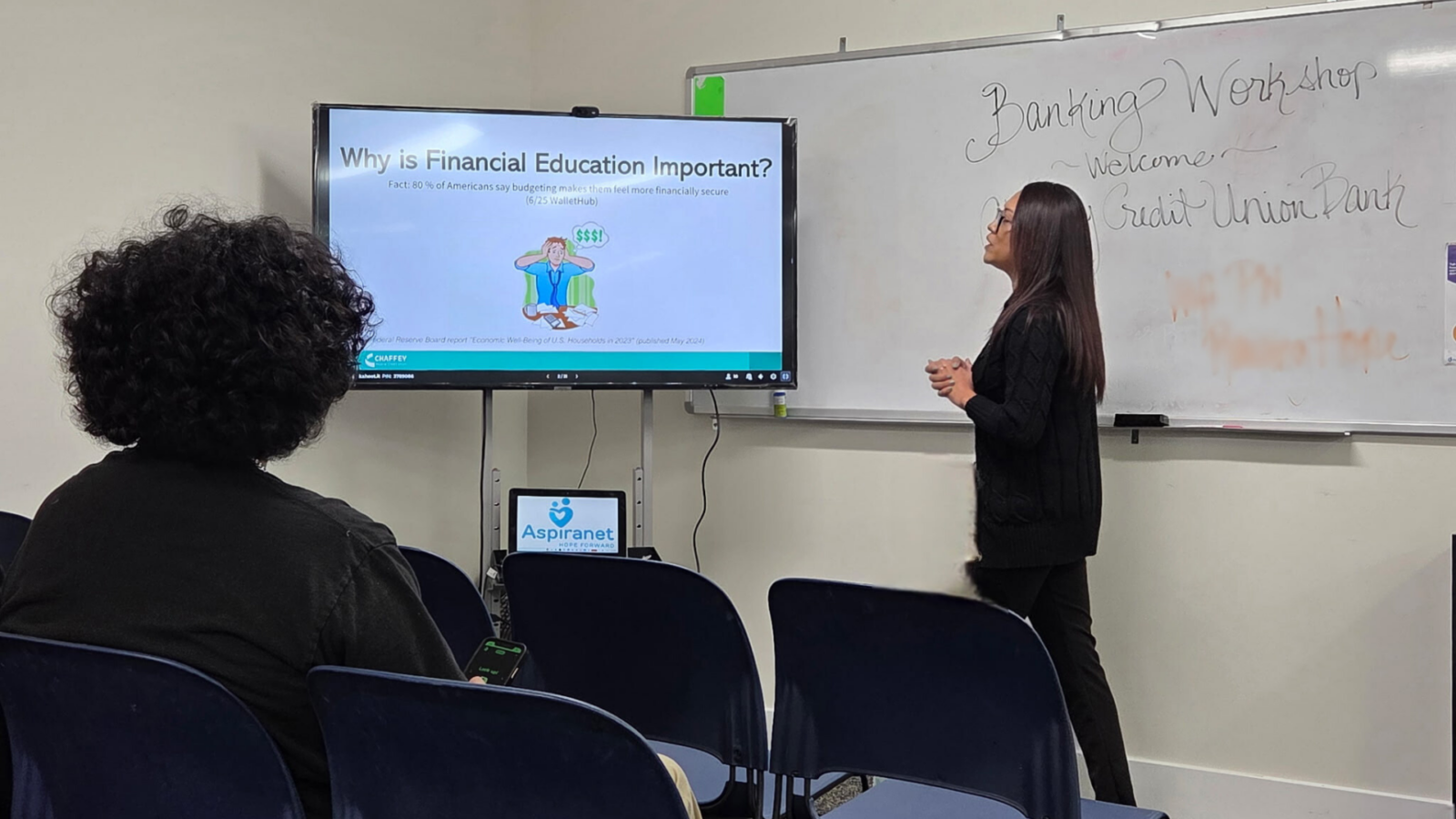
Asipranet works to provide foster and adoption support, residential group homes, and other health services across California. We’re proud to have offered financial education to teens and young adults at their Redlands location.

Financial Education: Upland USD

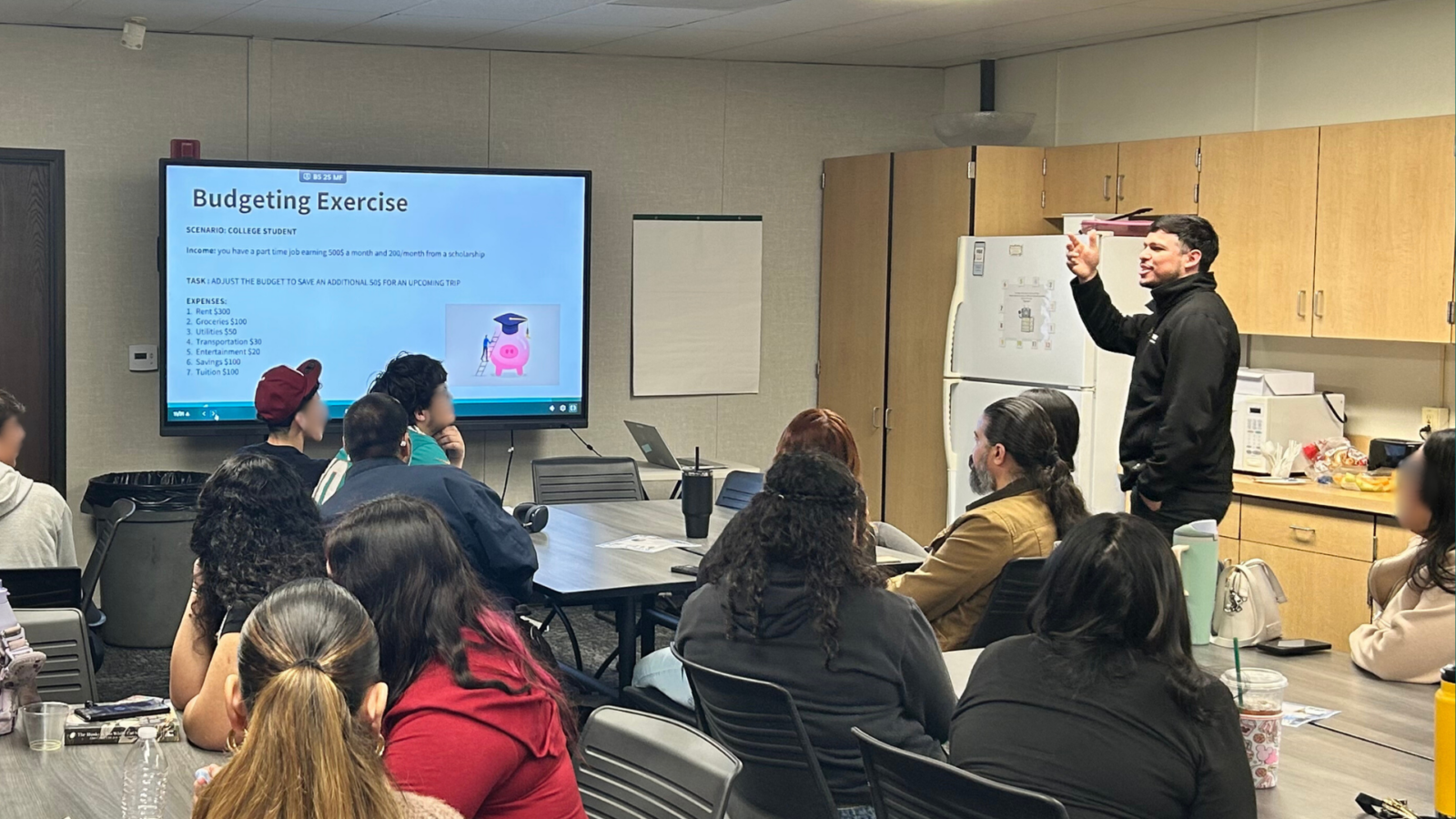
We had the honor of joining the Upland USD Student Mentor program for a budgeting workshop! Healthy lives begin with healthy financial habits, and we are proud to provide students with the foundations for wise spending choices.

You are leaving the Chaffey Federal Credit Union website

You are being directed to a third-party website.

Please note that this third-party website is not controlled by Chaffey Federal Credit Union or subject to our privacy policy.

Thank you for visiting our site. We hope your visit was informative and enjoyable.